Proteine dietetice
Shop Diet Protein at Myprotein
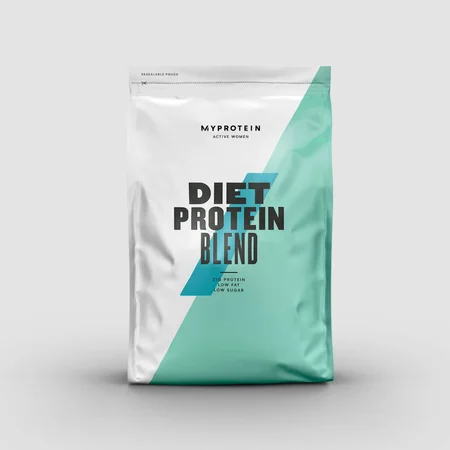
Diet protein is protein designed specifically with weight management in mind — typically lower in calories, carbohydrates, and fats than standard protein powders, while still delivering a solid protein hit per serving. Whether you're looking for a diet whey protein, a diet protein shake, or a weight loss protein powder to fit around a calorie-controlled plan, this range covers the full spectrum of goals and preferences.
Every product here has been developed by Myprotein's expert nutritionists to offer serious nutritional value without unnecessary extras. Protein contributes to the growth and maintenance of muscle mass1 — which matters just as much when you're in a calorie deficit as when you're bulking. These formulas are built to keep your protein intake high while keeping everything else tight.
Who Diet Protein Is For
Diet protein powders are for anyone eating in a calorie deficit who still wants to hit their protein targets without blowing their macro budget. That could be someone cutting body fat while training regularly, someone using protein shakes as part of a structured meal plan, or anyone who simply finds it hard to get enough protein from food alone on lower calories.
They're equally useful for people who are new to tracking their nutrition and want a straightforward, low-calorie protein option, as well as seasoned gym-goers who know exactly what they need and want a slimming protein powder that doesn't compromise on taste or mixability. If hitting your protein target is the priority, diet protein is where to start.
When to Use Diet Protein
Diet protein shakes work across multiple points in the day. Post-workout is the most common window — when you've trained hard and need to top up protein intake without adding unnecessary calories. A diet whey protein shake fits neatly here, delivering a clean protein source when your body needs it most.
Beyond training, diet protein powder works well as a between-meal top-up or as part of a structured eating plan where one meal is replaced entirely. Many people use meal replacement options within this range as part of a calorie-restricted day. Whatever your routine looks like, there's a format and flavour here to work with it.
Diet Protein Benefits
High Protein, Lower Calorie Profiles
The defining feature of diet protein powders is the macro split — high protein content relative to the calorie count. That means you can hit meaningful protein numbers without eating into your daily calorie target the way a standard protein shake might. It's a practical solution for anyone managing intake carefully.
Supports Muscle Mass During a Deficit1
Eating in a calorie deficit doesn't have to mean losing muscle. Protein contributes to the maintenance of muscle mass1, so keeping protein intake consistent is a key part of any well-structured weight management approach. Diet protein powders make that easier when food sources alone aren't cutting it.
Versatile Formats for Different Goals
From diet whey powder to complete meal replacement blends, the format options here go beyond the basic shake. Some products are designed to stand in for a full meal, others to complement one — giving you genuine flexibility depending on how your day is structured.
Developed by Expert Nutritionists
Every product in the diet protein range has been formulated by Myprotein's in-house nutrition team. That means the macro profiles, ingredient choices, and serving sizes are deliberate — not accidental. You're getting products built for a specific purpose, not just standard protein with a "diet" label on the front.
Popular Picks
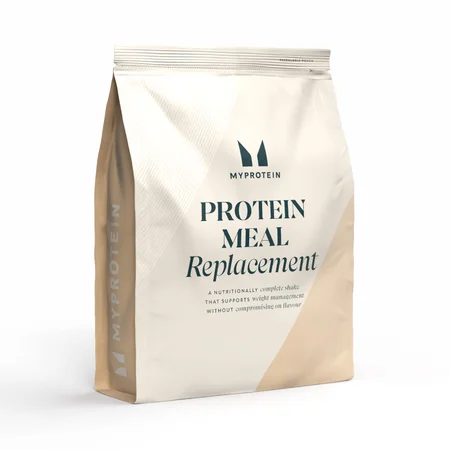
Need a complete meal alternative? Protein Meal Replacement Blend - The fuller version of the GLP-1 wellness range, this bundle is built for those who want a more complete nutritional foundation. It covers more bases across the diet and supplementation spectrum, making it the go-to for a thorough, well-rounded approach.
FAQs
What is diet protein powder?
Diet protein powder is a type of protein supplement formulated with weight management in mind. Compared to standard protein powders, diet protein options typically have a leaner macro profile — higher in protein relative to their calorie, carbohydrate, and fat content. That makes them a practical choice for anyone eating in a calorie deficit who still needs to hit their daily protein targets.
What's the difference between diet whey protein and regular whey protein?
Regular whey protein is primarily focused on delivering a high protein content per serving, without much consideration for overall calorie load. Diet whey protein takes that foundation and adjusts the formula — typically reducing carbohydrates and fats to keep the calorie count lower, while maintaining a strong protein contribution. The result is a product that fits more comfortably within a calorie-controlled eating plan.
Is diet protein powder good for weight loss?
Diet protein powders are a tool — their effectiveness depends on how they fit into your overall eating plan. Protein contributes to the maintenance of muscle mass1, which is particularly relevant when you're eating in a deficit. Where meal replacement products are used, substituting two daily meals of an energy restricted diet with meal replacements contributes to weight loss2. Always use these products as part of a structured, calorie-conscious approach rather than as a standalone solution.
When is the best time to take a diet protein shake?
There's no single right answer — it depends on your routine. Post-workout is a popular choice, as it's a natural point to top up protein intake after training. Diet protein shakes also work well as a between-meal option when food isn't available or convenient, or as part of a meal replacement strategy during a calorie-restricted day.
How much protein should I be getting per day when trying to lose weight?
Protein requirements vary based on body weight, activity level, and individual goals. As a general starting point, many active individuals aim for around 1.6–2.2g of protein per kilogram of body weight per day. Diet protein powders and shakes can help bridge the gap if food sources alone aren't getting you there — particularly useful when total calorie intake is restricted.
What is the difference between a diet protein shake and a meal replacement shake?
A diet protein shake is primarily designed to deliver a concentrated protein source with a lean macro profile — it's a supplement, not a substitute for a full meal. A meal replacement shake is formulated to stand in for an entire meal, with a broader nutritional profile that includes protein alongside carbohydrates, fats, fibre, vitamins, and minerals. Both have a place in a weight management plan, but they serve different functions.
Who developed the diet protein products at Myprotein?
All diet protein products are developed by Myprotein's expert nutritionists. That means the macro profiles, ingredient selection, and serving sizes are carefully considered for their intended purpose — whether that's a lean post-workout shake or a complete meal replacement designed for a calorie-restricted plan.
Can I use diet protein powder if I don't go to the gym?
Diet protein powders aren't exclusively for gym-goers. Anyone who finds it difficult to meet their protein intake through food alone on a lower-calorie diet can make use of them. That said, combining adequate protein intake with some form of physical activity is generally considered the most effective approach to body composition goals.
How do I choose the right diet protein powder for me?
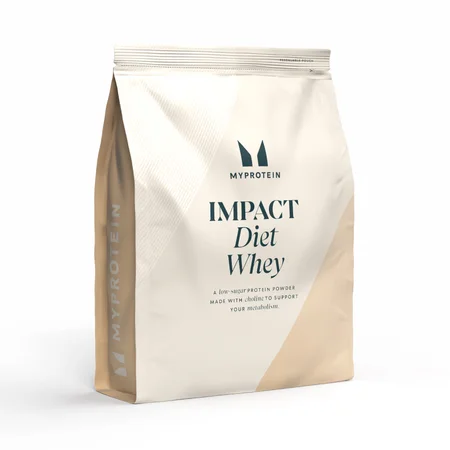
Start with your goal. If you want a simple, high-protein shake with a lean macro profile to use around training, a diet whey protein like Impact Diet Whey is a straightforward choice. If you're looking to replace a full meal as part of a structured plan, a product like Protein Meal Replacement Blend is more appropriate. Consider flavour preferences, dietary requirements, and how the product fits your daily routine before deciding.
Are diet protein powders suitable as a long-term supplement?
Diet protein powders are intended as part of a balanced, varied diet — not a permanent replacement for whole food sources of protein. They're a practical tool for managing intake during periods of calorie restriction or when food isn't convenient. As with any supplement, they work best alongside a well-structured diet and consistent training routine.
1. Protein contributes to the growth and maintenance of muscle mass. Protein contributes to the maintenance of muscle mass.
2. Substituting two daily meals of an energy restricted diet with meal replacements contributes to weight loss.